United KingdomSri Chinmoy Marathon Team

  • About us
  • Our races
  • Results

Search form

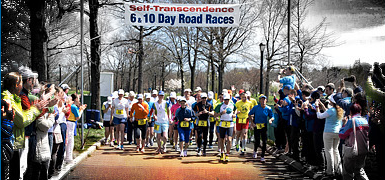
Founded by Sri Chinmoy in 1977, the Marathon Team is one of the world's largest organisers of endurance events.
read more »

Our History

Stories from the archives

Inspiration

Things that encourage us!

Sri Chinmoy

Marathon Team Founder

Training tips

From our members

Next Event:

7 July - Bristol
Bristol Sri Chinmoy Races Summer Series
Details »

More events:

Bristol
Cambridge
Edinburgh
Ipswich
London
Oxford
Perth (Scotland)
Worldwide
View all events »

Worldwide:

View full list »

Latest results:

23 June - London
Dashing Deer 5K
Details »

Previous races

View all results »

Worldwide results

Full list »

Training for a Triathlon in Covid times

By Garga Chamberlain
29 December
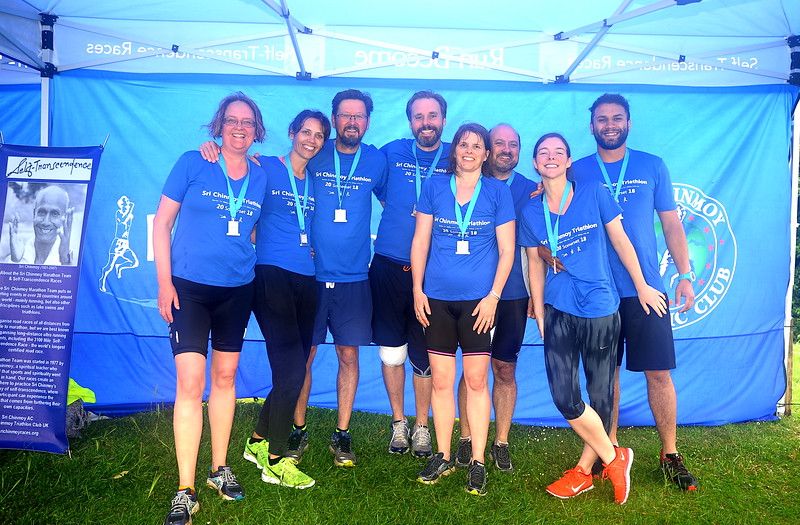
The award ceremony from our triathlon - hopefully next year!

Unfortunately, we have not been able to hold our Portishead Triathlon as usual. However Garga, our race organiser has put together this guide to how to train while staying withing guidelines.

Training tips 2021 (pdf)

More about:

Sri Chinmoy Try-a-Tri - 2026

Related articles:
  • 2025 RACEDAY GUIDE for the TRY-A-TRI
  • 2021 Triathlon Tips
View event page »

Training tips - more articles

2021 Triathlon Tips

By Garga Chamberlain
29 December

To get you started we're uploading a Try-a-Tri training guide - simple tips on how to train for your first triathlon. More files will be uploaded over coming months including guides to the kit you need for triathlon, how to handle "transition" and how to get to know the rules of triathlon (which get updated regularly as it is a rapidly evolving sport!).


View full article »

A Beginner's Guide to Fell Running

By Garga Chamberlain
23 January

A beginner's guide to Fell Racing By Roger Chamberlain, Sri Chinmoy Athletic Club, Cardiff. This article is a short introduction to fell racing in the UK for the total beginner. It covers the essential topics of kitting yourself out for the event, training, choosing your race and race day itself.


I have been running in the mountains of England and Wales for about seven years now and have represented my club, the Sri Chinmoy AC , in numerous races from 'S' class events under two miles to 'L' class runs taking several hours. I've made plenty of mistakes, gradually discovered how to get the best out of myself in a fell race and learnt a great deal on the way. I'm not the most experienced of fell runners, but you are a complete beginner wanting to try fell racing I hope this article will answer most of your questions.


Choosing your target race.

My first fell race was an 'AL' of 17 miles with several thousand feet of ascent. Having run several marathons and even an ultra (the Sri Chinmoy 47 Mile Race), I thought I should be fit to race over that distance. I has also seen fellow Sri Chinmoy AC members complete the 90+ mile West Highland Way and other endurance events, and I seriously underestimated what I was taking on. I "blew up" part way through the second climb, light headed and totally spent. The strain had an effect on my digestion and I experienced painful stomach cramps on the downhill sections which could otherwise have offered some respite. I staggered over the line quite near the back of the field - not quite last - resolving to build myself up with some shorter events before tackling another epic.

Even if you are very fit, the best approach to fell racing is to enter some short class B or C races (the class indicates how many feet of climbing there are per mile) before tackling a longer or tougher event. Races listed as BS or CS in the FRA calendar (or the equivalent publication in Wales, Scotland or Northern Ireland) would be ideal.

Another factor in choosing your race, apart from the distance and climb involved, is the need for navigation. Races listed as NS and ER in the calendar require navigational skills and fell racing experience. A listing of LK indicates that local knowledge would be an advantage. If in doubt, call or email the race organiser and ask how suitable the race is for a beginner.


Equipment for Fell Running

By the time you've run on the fells enough to want to race on them, you should know pretty well which fell shoes are right for you. Don't be tempted to try anything new on the day - tried and trusted is best.

As far as clothing is concerned, take what you need for the worst-case-scenario conditions. In a short race you can probably run in minimal kit (vest & shorts) unless the weather conditions are bad. Remember this means the conditions up top as well as those at the start - things could be somewhat different up at 2000' compared to what's going on down in the valley. A short race may not have mandatory kit requirements, but you may want to carry an extra layer (e.g. jacket) in your bum bag even if it's not required by the rules. The race organiser may insist that you carry full body cover (windproof or waterproof depending on how bad the weather is) as well as emergency food, a suitable map, a compass and a whistle. Maps and compasses are mandatory in many races, as is the whistle for attracting attention if you get lost or injured. Learning how to navigate is outside the scope of this article (see bibliography - the mountain-craft book has a good chapter on compass work). If you aren't confident to navigate, select a race where navigational skills are not essential - there are some that use paths that can be easily followed and others that utilise course markers (usually hazard tape pegged at regular intervals). Again, the race organiser will advise you about the requirements for their own event.

Kit needs to be carried in a bum bag (waist pack) that fits well enough for you to run at race pace while wearing it. Pete Bland, Lowe Alpine and OMM all produce suitable bags which you can find at running shops and some hiking/camping stores.

Runners vary wildly in their clothing requirements during races - some are prone to overheating and need to race in vest & shorts even when it's cold. Others experience a dip in performance unless they wear layers to keep them warm. Learn in advance what your requirements are and stick to them on race day even if more experienced runners are all in very different kit to you.


Training for a Fell Race.

It's not rocket science - to race on hills you need to train on hills. The simplest way to train for a short fell race is to do some runs on hills of similar toughness - if the race is three miles of running with eight hundred feet of climbing, then work up to that in your training. Start with shorter climbs, or start by walking up and jogging down. Walking is a part of fell running - in most races the competitors are walking at least part of the climb, as it's more efficient to do that than to run it all as fast as you can then collapse at the top with no energy left to run down (while those who took it easy on the climb come sailing past). So the easiest way to train for your race is to get out on the mountains and walk-run your way up and down, getting used to the challenges of both climbing and descending and generally getting to know the fells and your own capabilities. Gradually, your ankles will get stronger and better able to cope with the uneven ground, your leg muscles will develop (especially the quads) and your balance and ability to pick the best line through fell country will improve.

Extra sessions you can work into your program could include "reps" (repetitions) of short climbs and/or descents which might be something you can do every day even of the mountains are not nearby. I practise repetitions on a short slope (1-2 minutes of steep climbing) behind my local supermarket, whereas a "proper" fell run involves a drive of at least half an hour to my nearest thousand foot mountain. If you can't get out to proper hill country regularly, at least try to train off-road so you get used to the uneven terrain. Obviously you need to include hilly, or at least undulating, courses in your weekly routine as much as possible.

I could get much more precise and technical about the requirements, as some coaches doubtlessly would if you asked them about fell-race training, but I think as simple approach that gets you out there having fun and gradually brings you to the right level of preparedness for a fell race is the most sensible approach. Once you have a few fell races under your belt, you can think about honing your performance with more elaborate or challenging training.


Race Day

This is the exciting bit. Racing in the fells. Of course, as in road racing, excitement can lead to a runner going off way too fast and "blowing up" or "hitting the wall" (running out of energy and feeling totally spent). Take it easy at the start and don't expect to be keeping up with vastly more experienced fell runners - if you are, it will probably spell trouble later on. Remember that downhill running is also very taxing, so even if the race only involves a single ascent and descent, you can't use up all your fuel on the climb.

Before the race begins, you need to warm up well to get your body ready for the tough task ahead - this is more important in fell racing than in some other events because shorter races are likely to begin with a challenging climb, which your body won't find easy if you go for it "cold", straight from the car. Everyone is different, but I find fifteen to twenty minutes of slow jogging enough to get my body warmed up ready to race. I usually add in a few short dashes up and down slopes to get my leg muscles used to the ascending/descending. During this warm-up you'll find out if you are over- or underdressed for the conditions and you might want to adjust your kit accordingly. Mentally, my preparation consists of a few moments of silence after warm-up and before the start. This helps me to focus, calm my nerves and clear my mind. There is usually a short briefing at the start line from the race organiser and then the runners head off. What do you need to remember? Don't go off too fast!

Before you even start warming up for the race, you need to register and get into your racing kit with your bumbag and all its contents ready for the start. Bearing this in mind, get to the start nice and early if you can. If you're smart, you'll have double checked the kit requirements with the race organiser (either by calling them or through checking their web site/entry form) and brought everything you need to avoid any last minute panics. As with any type of running event, you'll need to have left plenty of time since you last ate to make sure food is fully digested (I tend to breakfast on a couple of high-carb energy bars three hours before the start) and have been to the loo before the race. I mention that last rather obvious point because many races don't have facilities at the start - you may need to stop at a toilet down the road before you arrive.

Most races don't provide any water on the course, and for shorter races you just need to be properly hydrated when you get there. If you are sure you need a drink during the race, you'll to carry it yourself.


Some easy mistakes to avoid

  1. He looks like he knows where he's going, I'll follow him....

A classic mistake....either trust your map skills, recce the route in advance or choose a race where the route is easy to follow. Following other runners like a sheep will work some of the time, but not all the time.

  1. I'm good on hills so I'll go fast on the climbs...

That might leave you with nothing left for the descents, which make up half the race.

  1. The weather looks good, I won't bother taking my jacket...

The organiser may have seen a different weather forecast, or for some other reason may insist on you carrying full kit.

  1. I'll try this new energy drink , it might give me a boost.

Unless it's a long race, stick to water. In an endurance event only use what you've tried out in training. The rigours of fell running make life hard for the digestive system so it's best to avoid any chance of upsetting things.


And finally.......

So that's it - the training will prepare you in terms of fitness and learning to cope with the conditions. The race will give you a great opportunity to put all your learning into practise and compete alongside others who love running on the fells. The real competition is against your own limits - the competition of "Self-Transcendence " - so even if you come last, if you gave it your all, that's an achievement in itself. Good luck, and (for the last time) don't go off too fast!


Suggested reading:

  • Feet in the Clouds, R Askwith, ISBN 1-85410-989-8
  • An Introduction to Trail and Fell Running, K Shevels, ISBN 1-905444-11-7
  • Mountain Craft and Leadership, E Langmuir, ISBN1-85060-295-6
View full article »

Marathon - schedules and training

By Garga Chamberlain
27 April

With 16-20 weeks to"M-Day" now is the time to start planning ahead. Long spring and summer days are really inspiring to get out and build up your mileage. There are schedules for all standards available on the Loch Ness Marathon website, which are simple to follow and are proven to work.

If you are one of many people who find the challenge of sticking to a schedule hard, consider joining a local running club for camaraderie, support and one on one coaching from qualified people. Most running/athletic clubs are happy to accept runners of all standards, so don't be intimidated. Alternatively, your local sports centre or gym may have a running group. If your lifestyle prevents you linking with a group for advice there are now on-line coaches, sometimes at a cost.

Look up race fixture lists and plan a few shorter races to act as tempo runs. They improve fitness and keep the motivation going. Don't do too many- it's important not to over-race and to keep your eye on the big picture- Oct 1st.

Check out:

www.scottishathletics.org.uk for clubs and events in Scotland

www.ukathletics.net for clubs and events in the UK

www.runnersworld.co.uk for UK event listings

www.runbeyond.co.uk personalised on-line training

Ed'd note - also see Prachar's Marathon Schedules on our Australian site.

View full article »

Marathon - hydration and energy

By Garga Chamberlain
27 April

LOCH NESS MARATHON JUNE 2006

Despite rumours to the contrary it is now summertime and occasionally it does get warm. Runners in last weekend's Edinburgh Marathon were treated to temperatures of mid-high 70s.

It's a timely reminder that any endurance running schedule for 10k or marathon will involve you sweating a lot, and even more so in summer. You don't only lose water, but also important electrolytes and nutrients that make you function better. It is really important to replace fluids to prevent that"run down" feeling.

Replacing fluids need to be done on an ongoing basis and especially during and after long or intense training days.

On a daily basis, you need to drink 1.5-2 litres of water (tea, coffee and alcohol don't count) as a basic requirement taken at intervals throughout the day. When you increase your exercise time this figure should also increase. Try and have a glass or small drinking bottle of water 30-45 minutes before you exercise to ensure you're well hydrated. From a practical point of view this will mean you'll need the loo before you start running rather than inconveniently just after you start running!

Everyone's needs vary, but if you are well hydrated you should be able to run for 45 minutes to an hour without having a drink. Once you start exercising longer than an hour you may need to top up on the run with a minimum of 500 ml an hour, possibly more in hot, humid conditions.

This can easily be done by:

· Taking money with you and stopping to buy water; · Investing in a small"runners feed bottle" to carry with you; · For longer runs buy one of the many bottle belts or Camelbak products that enable you to easily carry larger quantities of fluid.

Also ensure you drink at least 1 litre of fluid within an hour of finishing your run.

Electrolyte supplements and energy drinks can also help keep your body fluids in balance.

For more information:

Energy drinks- www.scienceinsport.com (Science in Sport drinks) www.lucozadesport.com (Lucozade)

Runners feed bottles and hydration systems: www.runandbecome.com

Nb the above information is intended as a general guide. Your ongoing experience will help you discover your personal requirements.

View full article »

Marathon - long runs and building mileage

By Garga Chamberlain
27 April

With 12 weeks to go to"M Day" now is the time to steadily start increasing the volume of training.

If you are following one of the training schedules on the Loch Ness web site http://www.lochnessmarathon.com/info/preparation.php you will see that whatever your standard, consistency of training and gradually increasing the long run are key elements.

Consistency

Try to have a"base mileage" that you want to reach as a minimum each week so that even if the unexpected happens you have a base level that is maintained. It is better to have consistent weeks of mileage gradually increasing than a yo-yo effect of a big week then nothing!

The Long Run

1 It is never necessary to run the full marathon in training. It is self-defeating as you will need to take recovery days and so lose training consistency. If you build up to running between 18miles-22miles as your longest run (two thirds to three quarters distance if you are training by time) The rest of the distance will take care of itself on race day.

2 Build up your long run gradually increasing by 10-15 mins each week and certainly no more than 20 mins.

3 If your race involves hills, and Loch Ness does, include them in your route.

4 Always start your long run slowly, probably slower than all your other training runs, you will be stronger at the end if you do. (If you can't hold a conversation without effort- you're running too fast.).

5 Drink well the day before the long run as well as during and after (see last month's tips).

6 Your long run doesn't have to be on a Sunday! Plan ahead to fit it in with your lifestyle- long summer evenings are ideal.

7 Plan a rest or easy session (walk/cycle/swim) the day after a long run.

8 Loch Ness Marathon starts at 10am. Rehearse your long run routine with this in mind (more on this in future tips).

9 Some runners thrive on running a similar route. If you get bored easily vary your routes or plan to run all or part of the distance with a friend.

10 If you just can't face another grind of a 10 mile training run head to the hills or the coast. A 2-4 hour brisk walk on undulating terrain can invigorate a tired mind and you've still spent good time on your feet. You may even end up running some of it. Even if you're walking don't forget to drink.

11 If you are feeling slightly unwell or have a slight niggle anywhere consider postponing or shortening the long run. Alternatively, plan a route on a circular loop where you are never a huge distance from home if you need to cut things short (take money for a bus home if necessary!).

12 Finally the race itself involves running on tarmac! Although running on softer trails is beneficial, ensure at least two of your long runs are run on the roads, entirely, to get your legs used to the pounding that softer surfaces reduce.

View full article »

Marathon - Speedwork

By Garga Chamberlain
27 April

SPEED VERSUS ENDURANCE

Eight weeks to go to ‘M' Day and by now you should have several weeks of consistent mileage behind you and your long run is gradually increasing. Although you will be tired at times you should be getting the benefit of feeling stronger.

To make you run more efficiently don't just think you have to pound out mile after mile at a steady pace. At least once a week some kind of resistance or"fun training" must complement all those slow miles. Experienced runners, although dreading any kind of speed work or hill work at first, grow to enjoy it as they see the benefits.

Why do speed work?

The legendary New Zealand coach, Arthur Lydiard who was one of the pioneers of distance running, used to advocate long slow distance (lsd) to build strength and endurance, but speed work trains the heart to adapt to a harder workload and help you run more efficiently.

Ideally speed work should be overseen by a running coach, personal trainer or friends who have experience of doing similar sessions. If this is not possible follow the basic rules of 5-10 minute warm up, easy stretching before the main efforts and the same afterwards. Decide on what your session is going to be. Three examples are:

  1. tempo run ie between 45 mins- 1.5 hours at a slightly faster pace than normal, but not flat out- 10k and half marathon events are ideal for this. Remember it is always better to run evenly on these runs or to start conservatively and build up the pace.
  2. Fartlek or spontaneous speed work, whereby on a run of anything between 5-8 miles you warm up then run faster sections of anything from 100 metres to 1 mile. It is spontaneous and depends on the terrain. The key element is to run your faster efforts at a pace where you feel you are working hard, but at the end of your effort you can slow to a jog or fast walk without stopping, ie you run continuously and it is broken up with various sections of fast/slow running. It is good to have at least two longer efforts of at least half a mile broken up with shorter efforts. Also, the longer the effort the longer the recovery before your next effort. Use landmarks on your run such as hill tops, lamp posts, and churches etc as your distance markers. These sessions are fun done with a friend or group of similar standard where you take turns to decide the"efforts".
  3. A more structured version of (b) but using a watch pre-set to a warm up, then run 1 minute hard, 1 minute easy, 2 minute hard, 2 minute easy, 3 minute hard, 3 minute easy then 2 minute hard, 2 minute easy 1 minute hard, then warm down to finish.

Remember the golden rule: TRAIN DON'T STRAIN!

Speed work should be a little taxing on the body, but it wasn't designed to propel you into oblivion or injury.

Don't kid yourself out of harder training, but be prepared for warning signs of dizziness or slight pains etc and ease back or just jog the remainder of the session.

Getting to the start line and not the physio's couch is the"big picture".

Next month: tapering for the big day.

View full article »

Marathon - final preparation

By Garga Chamberlain
29 April

With two weeks to go to Race Day all your hard training should be over.

Whichever schedule you have been following you should be maintaining a reduced mileage up to 24 September. The final week should be minimal mileage and you should feel rested. Don't be tempted to go out for one last hard training day. Save it for the race.

Remember to:

1 Prepare all your race day kit (wash any new items of clothing or socks before wearing).

2 Plan your drinking schedule and memorise it. You should, as a rule, be drinking a minimum of 250ml (cup full) every 3 miles. Individual needs vary and on a hot day this should be increased.

3 If you have a goal plan your time splits and be prepared to slow down on race day if you are going too fast in the first few miles no matter how good you feel. Even pacing is the key.

4 Drink plenty of fluid in the 2-3 days before the race.

5 Plan travel and accommodation if necessary.

Finally, picture yourself crossing that finish line with a big smile on your face!

View full article »

Getting the right kit for racing and training

By Garga Chamberlain
29 April

PREPARING FOR YOUR RACE

Adrian Stott manager at Run and Become, Edinburgh's Specialist Running Shop,offers a few simple tips on getting the right shoes and clothing to help you make the most of your training. He is one of Scotland's most experienced ultra-marathon runners, a former British 24hour champion and 9 times finisher of the 95 mile West Highland Way race, Scotland's longest event.

SHOES

The right shoes for your feet are essential to cover all those miles. A specialist running shop like Run and Become can simply assess your feet to make sure you get a good fitting shoe, with the right blend of cushioning and stability. You need cushioning to absorb shock and you may need extra support under your ankle or arch depending on how your foot strikes the ground. The best way to find out which way your foot moves is to have someone watch you run. This is something Run and Become staff are trained to do for all our customers to help them decide which shoes are right for their particular foot strike. Bringing your old shoes to us so we can look at how you have worn them is also useful.

CLOTHES

Runners often say that there is no such thing as bad weather only inadequate clothing. If you have the right clothing.there can be fewer excuses for not going out whatever the weather. Too few layers in winter or early spring can lead to you being cold and miserable. Too many layers in summer will make you overheat and be uncomfortable. As with all of life's challenges, if you need advice, it is best to seek help from those who have been there before! If you have friends who run , then talk to them for ideas or get advice from a specialist running shop. At a minimum, invest in 1or 2 good wicking base layers that"wick" the sweat to the surface to evaporate quicker. These tops come in many kinds: long or short sleeve, lightweight to simply wick away sweat or thermal which will wick away sweat and keep body heat in. These can be supplemented with a lightweight breathable/ windproof jacket"up top" or tights and tracksters"down below" depending on weather conditions. Winter running can be extremely enjoyable if a little thought is given to what you wear. Hats/ear warmers and gloves can be useful. Women should invest in a good sports bra.

SOCKS

Socks like shoes can become too technical! A comfortable sock for training should have a good stretch on it( it should contain a small percent of elastane or similar fabric).This will help prevent the sock bunching at the toes, arch and heel .Wicking materials like coolmax or tactel help to keep your feet drier too and reduce the risk of blisters. Experiment with 1or 2 different pairs maybe of different thicknesses to find your favourite .

http://www.runandbecome.com

View full article »

Tarit's Training Tips for Marathon and Half Marathon

By Garga Chamberlain
29 April

Adrian Stott (aka Tarit), one of Scotland's most experienced ultra-distance runners and Manager of specialist running shop, Run and Become, offers some ideas on training. These articles were originally written specifically for entrants in races in Scotland - the Edinburgh Marathon and Loch Ness Marathon - but the sound advice here can be applied to any long distance race.

Marathon - 4 months to go - training schedules & plans

Marathon - 3 months to go - hydration & energy

Marathon - 3 months to go - long runs and consistency

Marathon - 2 months to go - incorporating speedwork

Marathon - 2 weeks to go - final preparation

General articles on training for long races:

The kit you need for racing and training

Training with a Twist - staying motivated and inspired

View full article »

Training with a twist - Inspiration & Motivation!

By Garga Chamberlain
29 April

Adrian Stott, one of Scotland's most experienced ultra-distance runners and Manager of specialist running shop, Run and Become (http://www.runandbecome.com), offers some ideas on training with a twist!

TRAINING WITH A TWIST

Training for any distance, whether it is a leg of the Hairy Haggis Relay or the full 26.2 mile marathon, requires, if one is sensible, weeks and months of dedicated training.

Sometimes the dedication and inspiration goes and it all becomes a bit too stressful to keep the routine going.

Sometimes the dedication and motivation is there, but wee obstacles appear to thwart one's best intentions to get out the door!

With a bit of lateral thinking you can keep training whatever apparent problems get in your way.

A tale is told of the legendary Emil Zatopek, winner of gold medals at 5000, 10,000 metres and the marathon at the 1952 Helsinki Olympics, with a young family and a wife who worked the occasional evening, he was left with fitting in training while having to babysit.

Legend has it that after putting his children to bed, he would run on the spot for up to an hour in his living room, such was his dedication.

If his training dictated he had to do some resistance or speed work, he would fill up the bath, put the washing in it, then run in the bath tub, washing and all, to give the required training effect.

While this maybe a bit extreme and out of the box the whole nature of distance running is like that.

Here are a few other tips, maybe more practical to help keep you focussed.

1 Write"Race Day - 27th May 2007" in a prominent place- bathroom mirror, cereal packet, coffee dispenser etc just to keep giving you a little reminder (at the same time make a note of important birthdays and anniversaries so you don't become so obsessed you forget everything!

Dedication is good- obsession must be kept in perspective.

2 Need to train, but feeling lethargic?

If you are unwell or feel you are coming down with something then you should rest. However, if you just feel you can't be bothered try these walk/run routines.

  1. just as beginning programmes often utilise walking and running, by convincing yourself you will run/walk your 20/30/40 minutes, it will seem easier and you will probably find after a few minutes that you are OK after all! (The best cure for lethargy is to get up and do something/anything!)
  2. if you don't feel like doing the long weekly run try the tip that former US Olympic marathoner Jeff Galloway, now a coach, gives to his aspiring marathon runners as a standard session.

On your long run, run 15-20 minutes then walk 2 minutes, but do this from the start. The 2 minute walk breaks allow you to drink/stretch and just take the pressure off. You should feel much fresher in the later stages than if you ran continuously.

3 Tired of that long run or not sure if you can stay on your feet for 4-5-6-7 hours?

If you like long walks or are an ardent Munro Bagger (ask a Scottish friend if you don't know!!). Instead of a long run one weekend (or weekday depending on your work schedules) plan a long walk, preferably with some hills. A good brisk 4-5 hour walk is a great alternative to a 2-3 hour run and if your marathon goal is 4-5 hours it is a good mental confidence booster knowing you can stay on your feet that long, albeit only walking. (Remember similar rules of drinking apply to long walks as to long runs!)

4 Can't bear to run the same routes around your home everyday?

  1. Try running to or from work.
  2. if that's too far, get the bus/train some of the way and run the distance you had planned to. I have several friends and customers at Run and Become, who buy a good running backpack and"superman-like" change out of work clothes into running clothes and sprint for the exit or leap into action as soon as the train/bus pulls into their chosen stop!! A bit of formal planning is needed to make sure the right clothes are in the right place, ie you have a clean shirt and socks to put on at the office or your running shoes are in the wrong place and you have to face running home in your work shoes- it's been done - honest, but I wouldn't encourage girls to wear their high heels!
  3. as an ultra runner living in Edinburgh and training for long events, two of my favourite training runs are to head out along the east coast trails to North Berwick and returning by train or run the other way to Queensferry over the Forth Bridge before picking up the Fife Coast path to Kirkcaldy, where again I can get a bus or train home. I usually carry a small back pack with a lightweight change of clothing (thermals if its winter so I don't get cold) and some spare cash. You can make the choice also, depending on your route, of taking fluid with you or using the"feed stations" you find on your route, ie corner shops/garages to buy water, flapjacks, jelly babies etc to keep you topped up.

Again, although these little adventures will be a bit extreme for many of you, you can plan your own adventure according to the distance you plan to cover.

On the weekend instead of that same out and back or circular loop you always do get a friend to pick you up or collect you from a totally new location - 3 miles or 23 miles away. Or use public transport.

  1. Be creative- think creatively- the only rule is there are no rules when it comes to thinking creatively.

5 Weight and strength training

It is generally acknowledged that some background strength training is beneficial for all runners. Yes, you can go to the gym and use boring machines or do pilates and power yoga, but there are simpler ways of doing similar exercises.

Top coach, Bud Buldaro, has been known to encourage his athletes to give each other piggy backs or fireman's lifts (over the shoulder) up and down flights of stairs, not just once, but up to 20 times and you change over after a few efforts.

Wheelbarrow races between teams, piggyback races etc are also excellent ways to build strength as are old fashioned, but still incredibly effective push ups and sit ups done in your own living room.

6 Injuries

If you have a pain which is inhibiting movement go and get a proper diagnosis from a sports medicine professional.

If you have a wee niggle or stiffness from the previous day's long run or hard session, try one of the following, that may not mean no training, but different training.

  1. bicycle- cycle to/from work or in the gym;
  2. Swimming;
  3. Walk to or from work or in your lunch hour;

7 Gadgets or no gadgets

The old fogies amongst us laugh when we talk about the growing trend amongst young and not so young runners to run while listening to ipods/radios/mini disc etc and holding lengthy mobile phone calls. We all have occasions when we are expecting an urgent call and don't want to wait in, or you might want to listen to that football or cricket match or just can't run without listening to the rhythm of your favourite song!

However, don't be a slave to technology!

Mankind has run for centuries, way before technology was invented. Sometimes it's just nice to get out there without any artificial bubble of technology around your brain and just experience nature's orchestra, the birds, the wind in the trees, children playing, the splash of puddles. Just be a child again exploring and experiencing the world.

If you rely on technology to get you through the race what if it breaks? Batteries go dead? Will you be able to cope?

Finally, some people are game for anything and take everything in their stride, others like to plan a little.

Look at your upcoming event. What does it involve? Does it feature hills (up or down), long straight stretch of country road, running with hundreds of people or on your own?

Then try and simulate that in training. Find a route with steep hills (ok you can walk them!). Find a long country road or straight dual carriageway with a pavement. Go and run in rush hour crowds!

Going back to the words of Emil Zatopek, he once said in an interview:

“If you can keep to the training for many long years- then willpower is no longer a problem. It's raining- that doesn't matter; I'm tired- that's beside the point; It's simply that .. I just have to!"

Get out that door- go train. See you on May 27th!

© Adrian Tarit Stott and Run and Become

View full article »

Inspirational Quotes for Runners

By Garga Chamberlain
29 April

Seven inspirational quotes for runners.

We all need help with our motivation at times, whether we are training for the Olympics or beginning a jogging program to lose weight. Running has long been seen as a sport where inspiration is the key to both the enjoyment of the sport and the level of performance. These quotations have been selected to help motivate and inspire you on those days when it's hard getting out of the door to train. Enjoy!

The determination in your heroic effort will permeate your mind and heart even after your success or failure is long forgotten.

Sri Chinmoy

I always loved running...it was something you could do by yourself, and under your own power. You could go in any direction, fast or slow as you wanted, fighting the wind if you felt like it, seeking out new sights just on the strength of your feet and the courage of your lungs.

Jesse Owens

Running is freedom, it is expression, it is a pouring out of the life-force within us

Bruce Tulloh

Dreams can come true, especially if you train hard enough.

Dean Karnazes

There are as many reasons for running as there are days in the year, years in my life.

George Sheehan

You have to wonder at times what you're doing out there. Over the years, I've given myself a thousand reasons to keep running, but it always comes back to where it started. It comes down to self-satisfaction and a sense of achievement.

Steve Prefontaine

A runner runs against himself, against the best that's in him.

Bill Persons

View full article »

Beginner's Guide to Fell Racing

By Garga Chamberlain
29 April

A Beginner's Guide to Fell Racing

By Garga Roger Chamberlain, Sri Chinmoy Athletic Club, Cardiff.

This article is a short introduction to fell racing in the UK for the total beginner. It covers the essential topics of kitting yourself out for the event, training, choosing your race and race day itself.

I have been running in the mountains of England and Wales since the 1990s and have represented my club, the Sri Chinmoy AC, in numerous races from 'S' class events under two miles to 'L' class runs taking several hours. I've made plenty of mistakes, gradually discovered how to get the best out of myself in a fell race and learnt a great deal on the way. I'm not the most experienced of fell runners, but you are a complete beginner wanting to try fell racing I hope this article will answer most of your questions.

Choosing your target race.

My first fell race was an 'AL' of 17 miles with several thousand feet of ascent. Having run several marathons and even an ultra (the Sri Chinmoy 47 Mile Race), I thought I should be fit to race over that distance. I has also seen fellow Sri Chinmoy AC members complete the 90+ mile West Highland Way and other endurance events, and I seriously underestimated what I was taking on. I "blew up" part way through the second climb, light headed and totally spent. The strain had an effect on my digestion and I experienced painful stomach cramps on the downhill sections which could otherwise have offered some respite. I staggered over the line quite near the back of the field - not quite last - resolving to build myself up with some shorter events before tackling another epic.

Even if you are very fit, the best approach to fell racing is to enter some short class B or C races (the class indicates how many feet of climbing there are per mile) before tackling a longer or tougher event. Races listed as BS or CS in the FRA calendar (or the equivalent publication in Wales, Scotland or Northern Ireland) would be ideal.

Another factor in choosing your race, apart from the distance and climb involved, is the need for navigation. Races listed as NS and ER in the calendar require navigational skills and fell racing experience. A listing of LK indicates that local knowledge would be an advantage. If in doubt, call or email the race organiser and ask how suitable the race is for a beginner.

Equipment.

By the time you've run on the fells enough to want to race on them, you should know pretty well which fell shoes are right for you. Don't be tempted to try anything new on the day - tried and trusted is best.

As far as clothing is concerned, take what you need for the worst-case-scenario conditions. In a short race you can probably run in minimal kit (vest & shorts) unless the weather conditions are bad. Remember this means the conditions up top as well as those at the start - things could be somewhat different up at 2000' compared to what's going on down in the valley. A short race may not have mandatory kit requirements, but you may want to carry an extra layer (e.g. jacket) in your bum bag even if it's not required by the rules. The race organiser may insist that you carry full body cover (windproof or waterproof depending on how bad the weather is) as well as emergency food, a suitable map, a compass and a whistle. Maps and compasses are mandatory in many races, as is the whistle for attracting attention if you get lost or injured. Learning how to navigate is outside the scope of this article (see bibliography - the mountain-craft book has a good chapter on compass work). If you aren't confident to navigate, select a race where navigational skills are not essential - there are some that use paths that can be easily followed and others that utilise course markers (usually hazard tape pegged at regular intervals). Again, the race organiser will advise you about the requirements for their own event.

Kit needs to be carried in a bum bag (waist pack) that fits well enough for you to run at race pace while wearing it. Pete Bland, Lowe Alpine and OMM all produce suitable bags which you can find at running shops and some hiking/camping stores.

Runners vary wildly in their clothing requirements during races - some are prone to overheating and need to race in vest & shorts even when it's cold. Others experience a dip in performance unless they wear layers to keep them warm. Learn in advance what your requirements are and stick to them on race day even if more experienced runners are all in very different kit to you.

Training for a Fell Race.

It's not rocket science - to race on hills you need to train on hills. The simplest way to train for a short fell race is to do some runs on hills of similar toughness - if the race is three miles of running with eight hundred feet of climbing, then work up to that in your training. Start with shorter climbs, or start by walking up and jogging down. Walking is a part of fell running - in most races the competitors are walking at least part of the climb, as it's more efficient to do that than to run it all as fast as you can then collapse at the top with no energy left to run down (while those who took it easy on the climb come sailing past). So the easiest way to train for your race is to get out on the mountains and walk-run your way up and down, getting used to the challenges of both climbing and descending and generally getting to know the fells and your own capabilities. Gradually, your ankles will get stronger and better able to cope with the uneven ground, your leg muscles will develop (especially the quads) and your balance and ability to pick the best line through fell country will improve.

Extra sessions you can work into your program could include "reps" (repetitions) of short climbs and/or descents which might be something you can do every day even of the mountains are not nearby. I practise repetitions on a short slope (1-2 minutes of steep climbing) behind my local supermarket, whereas a "proper" fell run involves a drive of at least half an hour to my nearest thousand foot mountain. If you can't get out to proper hill country regularly, at least try to train off-road so you get used to the uneven terrain. Obviously you need to include hilly, or at least undulating, courses in your weekly routine as much as possible.

I could get much more precise and technical about the requirements, as some coaches doubtlessly would if you asked them about fell-race training, but I think as simple approach that gets you out there having fun and gradually brings you to the right level of preparedness for a fell race is the most sensible approach. Once you have a few fell races under your belt, you can think about honing your performance with more elaborate or challenging training.

Race Day

This is the exciting bit. Racing in the fells. Of course, as in road racing, excitement can lead to a runner going off way too fast and "blowing up" or "hitting the wall" (running out of energy and feeling totally spent). Take it easy at the start and don't expect to be keeping up with vastly more experienced fell runners - if you are, it will probably spell trouble later on. Remember that downhill running is also very taxing, so even if the race only involves a single ascent and descent, you can't use up all your fuel on the climb.

Before the race begins, you need to warm up well to get your body ready for the tough task ahead - this is more important in fell racing than in some other events because shorter races are likely to begin with a challenging climb, which your body won't find easy if you go for it "cold", straight from the car. Everyone is different, but I find fifteen to twenty minutes of slow jogging enough to get my body warmed up ready to race. I usually add in a few short dashes up and down slopes to get my leg muscles used to the ascending/descending. During this warm-up you'll find out if you are over- or underdressed for the conditions and you might want to adjust your kit accordingly. Mentally, my preparation consists of a few moments of silence after warm-up and before the start. This helps me to focus, calm my nerves and clear my mind. There is usually a short briefing at the start line from the race organiser and then the runners head off. What do you need to remember? Don't go off too fast!

Before you even start warming up for the race, you need to register and get into your racing kit with your bumbag and all its contents ready for the start. Bearing this in mind, get to the start nice and early if you can. If you're smart, you'll have double checked the kit requirements with the race organiser (either by calling them or through checking their web site/entry form) and brought everything you need to avoid any last minute panics. As with any type of running event, you'll need to have left plenty of time since you last ate to make sure food is fully digested (I tend to breakfast on a couple of high-carb energy bars three hours before the start) and have been to the loo before the race. I mention that last rather obvious point because many races don't have facilities at the start - you may need to stop at a toilet down the road before you arrive.

Most races don't provide any water on the course, and for shorter races you just need to be properly hydrated when you get there. If you are sure you need a drink during the race, you'll to carry it yourself.

Some easy mistakes to avoid

  1. He looks like he knows where he's going, I'll follow him....

A classic mistake....either trust your map skills, recce the route in advance or choose a race where the route is easy to follow. Following other runners like a sheep will work some of the time, but not all the time.

  1. I'm good on hills so I'll go fast on the climbs...

That might leave you with nothing left for the descents, which make up half the race.

  1. The weather looks good, I won't bother taking my jacket...

The organiser may have seen a different weather forecast, or for some other reason may insist on you carrying full kit.

  1. I'll try this new energy drink , it might give me a boost.

Unless it's a long race, stick to water. In an endurance event only use what you've tried out in training. The rigours of fell running make life hard for the digestive system so it's best to avoid any chance of upsetting things.

And finally.......

So that's it - the training will prepare you in terms of fitness and learning to cope with the conditions. The race will give you a great opportunity to put all your learning into practise and compete alongside others who love running on the fells. The real competition is against your own limits - the competition of "Self-Transcendence" - so even if you come last, if you gave it your all, that's an achievement in itself. Good luck, and (for the last time) don't go off too fast!

Suggested reading: Feet in the Clouds, R Askwith, ISBN 1-85410-989-8 An Introduction to Trail and Fell Running, K Shevels, ISBN 1-905444-11-7 Mountain Craft and Leadership, E Langmuir, ISBN1-85060-295-6

View full article »

Beginners Guide to Fell Running

By Garga Chamberlain
29 April

A BEGINNERS GUIDE TO FELL RUNNING

This article is a short introduction to fell running in the UK for the total beginner.

What is Fell Running?

The hills, moors and mountains of the British Isles are collectively known as "fells", and running in these uplands is well established sport, especially in the north of England. Fell races take place all year round and range from short dashes to the top of a hill and back to long circuits taking in a number of peaks. There are also two-day events known as Mountain Marathons where the emphasis is on endurance and navigational ability.

A beginner wanting to take part in a Fell Race needs to get a good base of fitness under their belt, and acquire the skills and experience necessary to cope with the tough terrain and navigational challenges. Experience of road or trail running, or fell walking, will help a lot. Personally, I came from a background of all three. I joined the Sri Chinmoy Athletic Club in my mid twenties and grew up in a family keen on fell walking - it was the latter that kindled my love of mountain scenery and Sri Chinmoy's philosophy of "Self Transcendence" that inspired me to take up running after having been useless at sport all through my youth. Despite this background, which included running several marathons and even an ultramarathon, and had also furnished me with the basics of map and compass use, my first fell race was a huge challenge.

Why race on the fells?

Presumably you love hills and mountains and you love running, or you wouldn't be even considering it! Fell races are great challenges, and at the end of the day we tend to run up a mountain "because it's there".

Getting started.

The kit you need for fell running is that same as that you need for road running, with a couple of small (but important!) differences. Firstly you need to get some studded "fell shoes" to give you adequate traction on the muddy/grassy/rocky terrain. Any specialist running shop in the UK will know about fell shoes, so get in touch with your nearest one and go in for some footwear advice. As far as clothing is concerned, you will encounter extremes of weather so in addition to your usual running kit you'll need windproof and/or waterproof "full body cover" (that's a jacket and overtrousers) and a waistpack to carry them in. I would also recommend lightweight, quick-drying gloves and a hat. Map, compass etc. are all essential in the long term, but for your first few forays into the fells just go with some experienced fell runners or stick to an area with well-marked paths. The usual hiker's procedure of letting someone know where you'll be and what time you'll be back is a good one to follow for safety reasons.

Unless you are incredibly fit, your first attempt at running up mountains will be pretty challenging. When learning to run fast, an athlete employs interval sessions (short, fast runs with slow recovery-jogs in between). Likewise, to get yourself used to fell running you can employ a mixture of running and walking. Gradually you'll be able to reduce the walking and cover many miles on the mountains at running pace, but to start with don't be reluctant to walk - there's no shame in it. If you run part of the way, you're definitely a fell runner.

Where to go.

The UK is a pretty small country, so most of us live near enough to uplands of some description. There are fell races in just about all regions of the country except for flat lands around East Anglia and Lincolnshire, and even that region has a few regular fell runners (who presumably get away to their nearest hills at the weekends). I live in a city, so my daily training runs are on the nearest hilly grassland to my house (fortunately less than a mile away) and it's only once or twice a week that I have a chance to drive out to the mountains to run on proper fell terrain. Many fell runners are in the same boat, so if you don't live on a remote mountainside, don't worry, just run reps of your nearest hill when you can and get out to the mountains whenever you get the chance - you'll appreciate it all the more when you get there.

Suggested reading: Feet in the Clouds, R Askwith, ISBN 1-85410-989-8 An Introduction to Trail and Fell Running, K Shevels, ISBN 1-905444-11-7 Mountain Craft and Leadership, E Langmuir, ISBN1-85060-295-6

View full article »
More articles under Training tips »

Books and inspiration

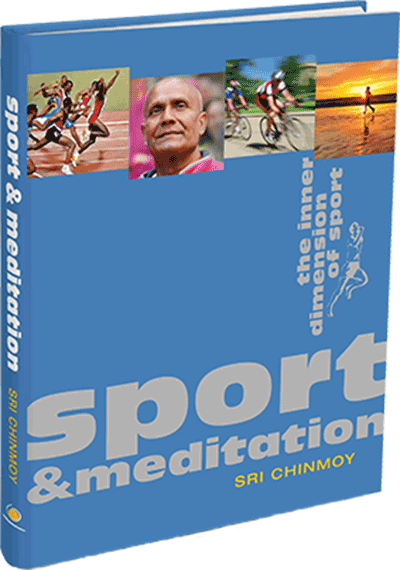
Sport and Meditation
Unlock the inner dimension of sport...
more »

Training tips

main page »

Stories from around the world

3100 Mile Race
3100 Mile Race Course: A Year in Motion
United States
Seattle 7 & 13 Hour Self-Transcendence Races
Australia
Melbourne Sri Chinmoy Running Festival
Latest News
SRI CHINMOY 5K - Scottish Championship 2026
Bulgaria
Ten Runners Reach 1000 km (620 miles) at the Recent Sri Chinmoy 10&6 Race in Sofia
Worldwide
First Sub-Two Hour Marathon
United States
3, 6 and 10 Day Race 2026 Results

About us

  • About the Marathon Team
  • Sri Chinmoy, Team Founder

Our races

  • View all events

Results

  • Previous races
  • Worldwide results
Global homepage »

Country Websites

  • W.Europe
    • Austria
    • Finland
    • France
    • Germany
    • Great Britain
    • Iceland
    • Ireland
    • Italy
    • Netherlands
    • Norway
    • Portugal
    • Switzerland
  • Central & E. Europe
    • Belarus
    • Bulgaria
    • Croatia
    • Czech Republic
    • Hungary
    • Latvia
    • Macedonia
    • Moldova
    • Russia
    • Serbia
    • Slovenia
    • Slovakia
    • Ukraine
  • N. & S. America
    • Brazil
    • Canada
    • Guatemala
    • United States
  • Asia
    • Japan
    • Mongolia
  • Oceania
    • Australia
    • New Zealand

Other sites

  • Sri Chinmoy Cycling Team
  • SCMT Channel Swimming
  • SCMT Climbing
  • 3100 Mile Race

Popular Pages

  • 3100 Mile Race
  • Recent media coverage
  • History 1977-Present
  • Our members
  • Privacy Policy
  • Impressum
  • Privacy policy
  • Cookie settings
  • Log in

Contact Information

Sri Chinmoy Marathon Team
Creative Commons License

Except where explicitly stated otherwise, the contents of this site are licensed under a Creative Commons Attribution-NonCommercial-NoDerivs 3.0 Unported License read more »

SriChinmoyRaces.org is a Vasudeva Server project.